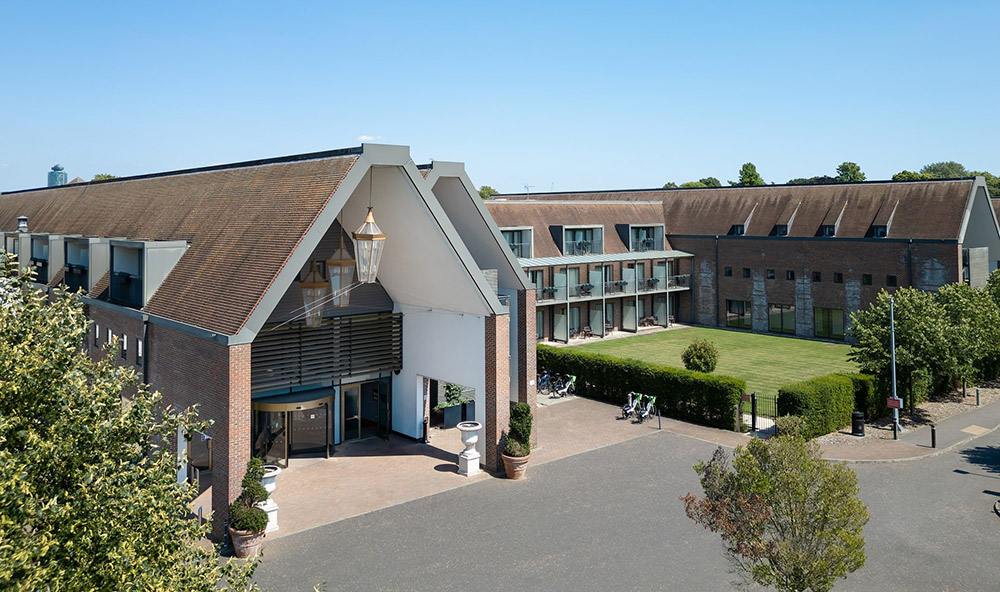
When you ask Sidd Mahajan (also known as Siddharth Mahajan), Founder and Managing Director of Tulip Real Estate in London, what he’s most excited about this year, his answer isn’t just about square footage or returns. It’s about legacy, community, and reshaping how Londoners live. In 2025, several developments and themes stand out for him as truly meaningful, not just because of their business promise, but because they reflect Tulip’s deeply held philosophy: hospitality-led design, emotional intelligence, and long-term value. The Hilton London Syon Park Acquisition: A Strategic Icon One of the most high-profile moves for Tulip Real Estate in 2025 has been the acquisition of the Hilton London Syon Park, a 5-star luxury spa hotel nestled within the historic Syon Park Estate. For Sidd Mahajan, this is more than a headline deal, it’s a real statement. He sees heritage hospitality assets as powerful bridges between legacy and modernity: places that already have operational momentum (trained staff, hospitality infra) but also huge upside when reimagined through Tulip’s lens of service + permanence. In his own words, turning such hotel assets into “property gold” underscores Tulip’s belief in long-term value: properties that generate cash, but also appreciate, and carry a story that resonates with both guests and investors. Intelligent, Emotion-Responsive Homes Another favorite “project” for Sidd in 2025 isn’t a physical building so much as a vision for the future of living. Drawing on his background in hospitality, he’s pushing Tulip Real Estate to build homes that do more than just stand there, they listen, adapt, and evolve. In this view of the future, homes have embedded sensors and AI that sense patterns, not just when you’re home, but how you feel. Does your voice sound tense? Is your movement slow? The lighting, temperature, even ambient sound can adjust automatically to soothe or uplift. Sidd calls these “emotionally intelligent environments” that feel like partners in your well-being, not just four walls. To him, this isn’t sci-fi, it’s a human-centred next step. He argues that true innovation comes when technology enhances the emotional experience of home, rather than just optimizing it. Also Read: Sidd Mahajan UK: How He is Designing Urban Spaces to Prioritize Mental and Physical Health The “Storytelling” Homes: Where Space Becomes Narrative Siddharth Mahajan’s signature strength lies in treating real estate as a storyteller’s medium. In 2025, one of his defining projects is this very philosophy: designing spaces that tell a story. He often draws inspiration from the poetics of place: how light filters in, how a hallway becomes a corridor of memory, how communal spaces feel like chapters in a shared book. For Sidd, architecture isn’t just functional, it’s narrative. That’s why Tulip’s developments, whether they’re serviced apartments, shared houses, or boutique hotels, feel deeply intentional. Every piece of furniture, every layout choice, is curated so that a resident doesn’t just live there, they feel there. Sustainability & Long-Term London Vision Underlying all of Siddharth Mahajan’s 2025 favourites is a conviction: London’s future real estate winners will be those aligned with infrastructure, sustainability, and technology. He’s spoken about how Tulip tracks not just property trends, but transport developments, green tech, and demographic shifts. In his vision, energy-efficient buildings with smart systems aren’t a niche, they’re essential. He argues that properties built today must be designed for London’s goals two, three decades out, not just for tomorrow’s market. He also sees build-to-rent (BTR) as part of that future, creating curated, amenity-rich rental communities (not just apartments) that speak to how people want to live now: belonging + flexibility + quality. Why These Projects Matter to Sidd Mahajan Putting these ideas together, the Hilton London Syon Park deal, the emotionally responsive homes, the storytelling architecture, and the sustainability-first mindset, you begin to see what really drives Siddharth Mahajan London: Hospitality DNA: He doesn’t just build homes or hotels. He builds relationships. His past in luxury hospitality (Oberoi, for instance) deeply influences Tulip’s work. Human-Centred Innovation: Technology, for Sidd, is never sterile. It’s a tool to make living more meaningful, more attuned to how we feel. Long-Term Value: He isn’t chasing quick flips. His investments are about enduring value, in heritage, community, and emotional resonance. Sustainability + Vision: He’s betting on London’s future, not just how the city looks today, but where it’s heading: more connected, more green, more intentional. Conclusion When you look at Sidd Mahajan’s favourite real estate projects of 2025, what stands out isn’t just the assets, it’s the why. He isn’t investing in buildings; he’s investing in experiences, wellness, and legacy. Through Tulip Real Estate, Siddharth Mahajan is weaving together hospitality and real estate, innovation and heart, value and vision. If you ask him what makes a property worth building, his answer isn’t just about price per square foot, it’s about impact. It’s about creating something that, years from now, people look back on and say: “That place changed how I live, and I’m glad I was part of it.” ***Curious to explore these visionary projects in more detail or to invest alongside Sidd Mahajan’s Tulip Real Estate? Connect with the Tulip Real Estate team today for a conversation. Let’s bring your property ambitions in London to life, with purpose, care, and long-term vision.***

Why the Best Property Deals Happen During Conversations, Not Presentations: Sidd Mahajan’s Revolutionary Approach to Real Estate
In the polished boardrooms of London’s property world, where PowerPoint presentations reign supreme and laser pointers dance across projected profit margins, something profound is being overlooked. The most lucrative deals, the ones that create generational wealth and transform portfolios, rarely emerge from these sterile environments. Instead, they’re born in coffee shops, discovered during casual walks through neighborhoods, and forged through genuine human connection. Sidd Mahajan, Founder and Managing director of Tulip Real Estate in London, has built his career on this fundamental truth. While competitors invest thousands in glossy brochures and elaborate pitch decks, Mahajan has discovered that the real magic happens when you put down the clicker and pick up the conversation. The Presentation Paradox Traditional property presentations follow a predictable formula: market analysis, comparable sales, projected returns, and a carefully crafted call to action. They’re designed to impress, to overwhelm with data, and to create urgency through scarcity. But here’s what they don’t do – they don’t reveal the story behind the numbers. “When I see a presentation, I’m seeing what someone wants me to see,” explained Sidd Mahajan. “But when I have a conversation, I discover what they need me to know. There’s a world of difference between the two.” This distinction has become the cornerstone of Tulip Real Estate’s approach. Rather than leading with market statistics, he begins with questions. Not the obvious ones about budget and timeline, but the deeper inquiries that reveal motivation, fear, and genuine opportunity. The Hidden Intelligence in Informal Exchange Consider this scenario: A formal presentation might highlight a property’s proximity to transport links and projected rental yields. But a conversation reveals that the seller’s grandmother lived there for forty years, that the garden holds memories of family celebrations, and that they’re only selling because of an unexpected job relocation to Edinburgh. Suddenly, you understand the true dynamics at play. This emotional intelligence, argues Sidd Mahajan, is where deals are truly made. “Numbers tell you what happened. Conversations tell you what’s going to happen next.“ The insight extends beyond residential properties. In commercial real estate, presentations might showcase foot traffic and demographic data. But conversations reveal that the local council is planning infrastructure changes, that a major employer is considering relocation, or that the landlord is dealing with family estate issues that create unique negotiation opportunities. The Neuroscience of Trust There’s actual science behind why conversations outperform presentations in deal-making. When we engage in genuine dialogue, our brains release oxytocin, often called the “trust hormone.” This neurochemical response creates a sense of connection and safety that formal presentations simply cannot replicate. Sidd Mahajan has observed this phenomenon countless times in his London dealings. “I’ve watched clients’ body language change completely when we shift from my talking at them to us talking together. Their shoulders relax, they lean in, and suddenly we’re collaborating instead of negotiating.“ This shift from presentation to conversation transforms the entire dynamic. Instead of buyer versus seller, or agent versus client, it becomes problem-solver alongside problem-solver. The best deals emerge from this collaborative space. The Art of Strategic Listening While presentations are about broadcasting information, conversations are about receiving it. The most successful property professionals, including Sidd Mahajan, have mastered the art of strategic listening – hearing not just what’s said, but what’s unsaid. A client might mention they’re “exploring options” in a particular area. A presentation-focused agent might launch into a prepared pitch about available properties. But a conversation-savvy professional like Sidd Mahajan might ask why that specific area appeals to them, what they envision their daily routine looking like, or what their experience has been in their current location. These questions often reveal crucial information: perhaps they’re considering a move due to changing family circumstances, or they’ve identified an emerging trend in that neighborhood, or they have inside knowledge about upcoming developments. This intelligence becomes the foundation for identifying opportunities that formal market analysis might miss. The Compound Effect of Relationship Building Presentations end when the lights come back on. Conversations evolve into relationships, and relationships compound over time. The property deal you make today might lead to three referrals next month, which could result in a commercial opportunity next year. “I’ve found that every meaningful conversation I have about property – whether it leads to an immediate deal or not – eventually contributes to my business,” noted Sidd Mahajan. “People remember how you made them feel during that conversation, not what slides you showed them.“ This long-term perspective changes how you approach each interaction. Instead of focusing solely on closing the immediate deal, conversation-centered professionals build networks of trust that generate opportunities for years to come. Practical Implementation Shifting from presentation to conversation doesn’t mean abandoning preparation. If anything, it requires more sophisticated preparation. You need to understand not just market data, but human psychology. You need to know not just property values, but neighborhood stories. You need to master not just sales techniques, but genuine curiosity. The most successful practitioners, like Sidd Mahajan’s model, prepare questions as meticulously as others prepare slides. They research not just the property, but the person. They understand that every conversation is an opportunity to discover something that formal presentations never reveal. In a world increasingly dominated by digital presentations and virtual tours, the human conversation remains irreplaceably powerful. The best property deals happen when two people sit down, look each other in the eye, and discover together what’s possible. Everything else is just presentation. Edit Template