Real estate has traditionally been viewed through one simple lens: acquire the right property, hold it, and let time create value.
But as markets become more sophisticated, ownership alone is no longer the complete story. the difference between an average asset and an exceptional one often comes down to what happens after acquisition, how a property is managed, how it adapts, and how effectively it responds to the people who use it.
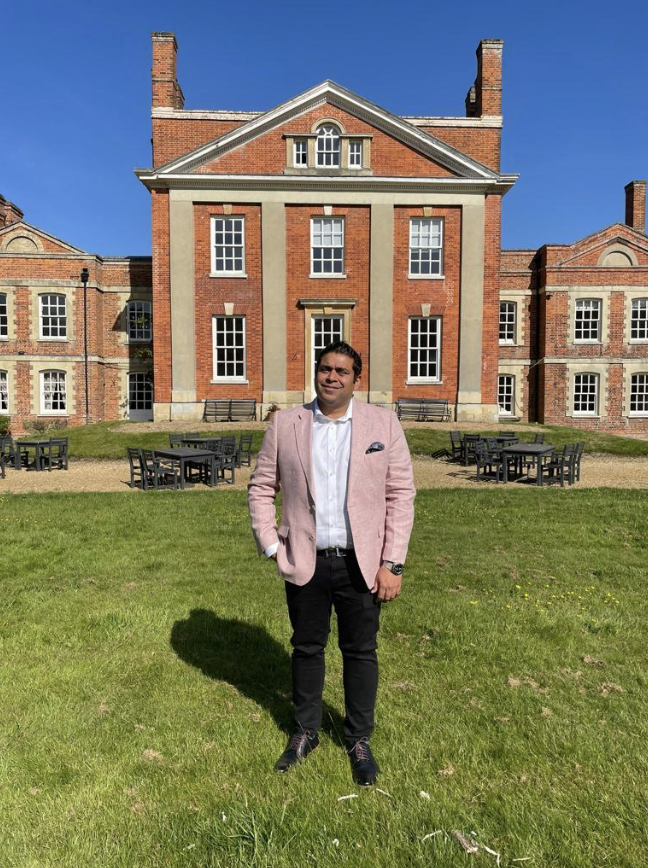
For Siddharth Mahajan, Founder and Managing Director of Tulip Real Estate, this understanding has been shaped by a career that sits at the intersection of hospitality and real estate. His journey began in hospitality, where success depends not only on the physical space but on operations, service, and experience. Today, that same thinking influences how Tulip Real Estate approaches its portfolio across London, viewing properties not merely as investments, but as living assets that require continuous attention.
Siddharth Mahajan on The Difference Between Owning and Operating
Anyone can acquire a building. The more important question is: what happens next?A property’s performance is shaped by dozens of decisions made after completion, tenant experience, operational efficiency, positioning, maintenance standards, and the ability to adapt as expectations change. For Siddharth Mahajan, this is where the real work begins.through Tulip Real Estate, the focus extends beyond transactions. The company’s approach combines acquisition strategy with active asset management, ensuring properties continue to remain relevant within a changing market.
This mindset comes directly from hospitality, where a guest’s experience is influenced by every operational detail, often the things people never notice when they are done well.
Sidd Mahajan London: Bringing Hospitality Thinking Into Property
The connection between hotels and real estate is becoming increasingly visible. Modern residents and guests expect more than a physical structure. They expect convenience, quality, consistency, and a sense that the space has been thoughtfully managed. This is where Sidd Mahajan London believes real estate has an opportunity to evolve.
Tulip Real Estate’s portfolio reflects this intersection between property and experience. From residential developments such as Landmark Pinnacle in Canary Wharf and KOA House at Battersea Power Station to hospitality assets including Hilton London Syon Park, the approach focuses on understanding what makes each asset successful within its own environment.
A residential tower, a regeneration-led development, and a luxury hotel may appear different on the surface, but the underlying principle remains the same: strong assets require thoughtful management.
Why Asset Management Has Become the New Competitive Advantage
In previous cycles, simply owning a well-located property could be enough. Today, the market demands more. Buildings need to respond to changing regulations, evolving tenant expectations, and shifting patterns of how people live and work. For Siddharth Mahajan, this makes asset management one of the most important parts of real estate strategy. It is not always about dramatic transformation. Often, value is created through continuous improvements:
- Understanding changing user needs.
- Improving operational performance.
- Maintaining quality standards.
- Ensuring the asset remains desirable over time.
These decisions may happen quietly, but their impact compounds.
Siddharth Mahajan on Building Assets That Stand Beyond Market Cycles
One of the challenges in real estate is that markets are constantly changing. Economic conditions shift. Demand patterns evolve. New trends emerge. But assets with strong fundamentals and effective management tend to remain resilient.
This is why Tulip Real Estate’s approach focuses on creating long-term relevance rather than chasing temporary attention. The company’s portfolio spans residential, mixed-use, and hospitality-led opportunities, allowing it to understand different segments of London’s property ecosystem.
For Sidd Mahajan London, diversification is not simply about owning different types of properties. It is about understanding how different assets function and how each one contributes to a larger vision.
The Next Phase of Real Estate
The future of real estate will not only be shaped by developers and investors. It will increasingly be shaped by operators, those who understand that the value of a property extends beyond acquisition. A successful asset is not created on the day a deal is signed. It is built through years of decisions, improvements, and understanding.
For Siddharth Mahajan, this philosophy represents the evolution of real estate itself. Because ultimately, buildings are not successful because they exist. They are successful because they continue to serve a purpose.